Skip to main content Skip to footer

Self-Love: Love Yourself
Looking to another to make you feel better about yourself is a major cause of relationship challenges. The health and happiness of your relationships stem from your connection to yourself. If you don’t love yourself, trust yourself or have confidence in yourself, then you are going to look to others to foster this. This convolutes your ability to see others clearly and authentically. This also fuels low self-confidence as you look outside of yourself for an expectation that only you can fulfill. No one else can make you love yourself or feel self-confident. This is why these words starts with ‘self’. Seeking outside of yourself for self-love only leads to a pattern of unhealthy communication and unfulfilling relationships.
Conditional vs. Conscious Love
Let’s explore this further. If you do not love yourself you will find it very challenging to have a healthy loving relationship with another. You will love another, so that they will love you, so that you can validate you are worthy of love. As well, if you do not love yourself, you will change yourself to fit the perceived needs of the other and expect them to do the same. This leads to a vicious and common cycle of resentment and anger. This is known as ‘conditional’ love and causes low self-esteem and numerous unhealthy patterns in any relationship. Ultimately it doesn’t really matter what the other is being, doing or having. It matters most to you, what you are being, doing or having. Self-love is the solution at the heart of developing healthy relationships. If you would like to improve your relationships with others, start first with improving your relationship with yourself.
Only a lighted oil lamp can light another lamp. ~ Ammachi

Self-Love Solutions
-
What’s your self-talk?
How you treat yourself, including what you say to yourself about yourself, directly impacts the energy you project about how you deserve to be treated by others and the quality of relationships you can expect. Make sure your self-talk reflects how you want to be treated by others. Take a moment to practice your listening skills by eaves dropping on the conversation you are having with yourself about yourself.
- Do you say kind things to yourself or are you self-critical?
- Do you empower or disempower yourself?
-
Focus on Your Strengths
Identify one of your top strengths. What do you appreciate about yourself related to this strength?
- Do you appreciate your kind and caring nature?
- Do you appreciate your loyalty and fairness?
- Do you appreciate your leadership and decisiveness?
- Do you appreciate your zest and passion for life?
- Do you appreciate your spirituality and compassion for others?
- Do you appreciate your creativity or love of learning?
- Do you appreciate your work ethic and integrity?
How do you display this strength in your life? Identify a specific way in which you engage this strength and spend one minute visualizing this. Activate all of your senses as you imagine and appreciate this strength in your life.
Hilary Stokes Ph.D. and Kim W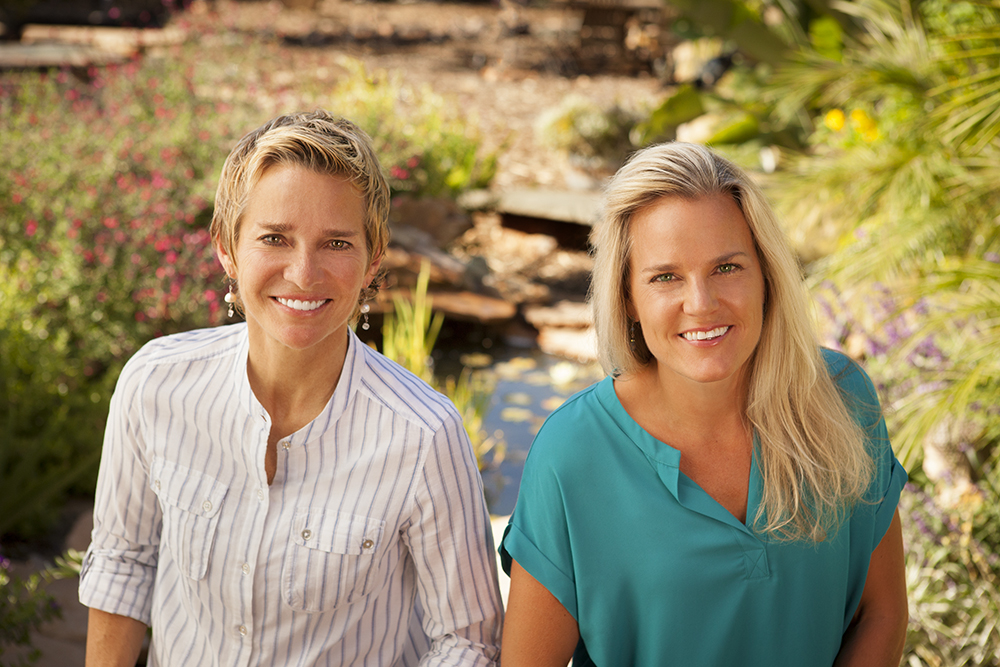 ard Ph.D. have been a team for 20 years, specializing in mind, body, spirit psychology. They are the authors of the bestselling books The Happy Map: Your roadmap to the habit of happiness and Manifesting Mindset: The 6-step formula for attracting your goals and dreams and founders of Authenticity Associates Coaching and Counseling. They are passionate about combining the best of holistic and traditional approaches to health and happiness.