
Intrusion
-
Flashbacks
-
Nightmares
-
Distressing memories that feel present tense
-
Strong, emotional or physical reactions to reminders
 Skip to main content Skip to footer
 Discover how brainspotting therapy helps heal PTSD. Learn how it works, who benefits, and connect with a trauma-informed brainspotting therapist.
If you are living with Post-traumatic Stress Disorder (PTSD), you may feel like your nervous system is on high alert even when your mind knows that you are safe. You might be tired of explaining it, or talking it through, only to feel triggered, shutdown or emotionally flooded afterwards.
Brainspotting is a brain–body therapy that helps resolve PTSD at the level of the nervous system, without requiring you to relive or retell everything.

People often use trauma and PTSD interchangeably. However, post-traumatic stress disorder (PTSD) is not the trauma itself. It is what happens when the nervous system does not reset after a traumatic event. PTSD is a mental health disorder identified in the Diagnostic and Statistical Manual of Mental Disorders.
Trauma is the experience or the injury.
PTSD is a chronic condition that sometimes develops when the traumatic event remains active in the mind and body. PTSD is most often associated with a specific event or a series of identifiable events, such as:
Not everyone who experiences trauma develops PTSD. But when PTSD does occur, the nervous system remains stuck in survival long after the threat has passed.
PTSD symptoms must last for more than a month and causing significant distress or issues in daily function. The symptoms of PTSD fall into four categories: intrusion, avoidance, changes, in thinking in mood, and changes in arousal and reactivity. People respond differently to PTSD but generally experience one or more of each symptoms in these four categories of mental health.
All PTSD comes from trauma, but trauma does not always become PTSD. Many people with PTSD say, 'I know that I'm safe, but my body doesn't believe it'. That statement captures the heart of PTSD.
PTSD is not failure of logic or willpower. It is not just a memory problem. It is a regulation problem. It is a neurobiological survival response when a traumatic event overwhelmed the nervous system.
This is why talking about the trauma does not always resolve PTSD. Traumatic memories from traumatic events are stored below, conscious awareness, in the body and subcortical brain. This is why traditional therapies that focus on cognitive processing such as analysis or talking therapy tend to fall short of resolving many symptoms of PTSD. Cognitive behavioural therapy and prolonged exposure therapy are two such therapies that are commonly recommended.

Many people discover that insight alone doesn’t turn PTSD off because PTSD lives below the level of logic, inside the survival circuits of the brain and body. Cognitive behavioural therapy and cognitive processing therapy focus on insight rather than addressing the trauma memories at the deeper level of the brain and body.

Trauma-focused psychotherapies are recognized as the most effective first-line treatments for PTSD by clinical guidelines from the VA, DOD, and APA as of 2026. These therapy approaches recognize the importance of prioritizing client safety, connection and empowerment when processing trauma. As specialized treatments, clinicians are trained to support clients to go at their own pace while processing distressing feelings, negative beliefs, and painful memories. This allows individuals to feel supported and gain control over their healing journey. Common types of trauma-focused therapies are EMDR, prolonged exposure therapy, trauma-focused CBT, somatic therapy, AEDP and brainspotting. While CBT and prolonged exposure therapy have been considered the standard, more client-centered therapies like EMDR, brainspotting and somatic therapy are often considered to go deeper and be more compassionate.

Brainspotting is a brain, body-based therapy that uses eye positions to access where trauma is stored in the nervous system. Rather than requiring detailed, storytelling or reliving the event, brainspotting works by:
This makes brainspotting well-suited for PTSD and addressing a traumatic event.
Bottom-up processing
Brainspotting is designed to meet PTSD where it lives, in the subcortical brain and nervous system, not only in thoughts, words and analysis. This is what’s known as bottom-up processing. From the bottom brainspotting engages the parts of the brain, responsible for survival and emotion before cognition. Cognitive therapy and prolonged exposure therapy are top-down therapies that attempt to use the thinking brain to talk through PTSD symptoms.
You don't need to:
This is critical for people whose PTSD symptoms worsen with traditional exposure-based approaches.
Brainspotting prioritizes:
Brainspotting works, even when memories are fragmented
Brainspotting does not require a coherent story to work.

We begin by understanding:
A typical brainspotting session may include:
Some people feel calmer immediately. Others noticed fatigue like having a neural workout, emotional release, or gradual shifts over days. Planning a gentle space afterwards can be supportive.

Brainspotting may be a strong fit for people who:
No single therapy is right for everyone. Brainspotting is often chosen by people who want deep healing without re-traumatization.
Brainspotting can be especially helpful for:
If trauma symptoms are present, but do not clearly fit PTSD, you may want to explore brainspotting for trauma more broadly.
Learn more about brain body for trauma.

Feeling PTSD is not about forgetting or erasing the past. It's about teaching a nervous system that danger is now over. If you are ready to explore a therapy that works with your brain and body. Brainspotting may be the next step.
Brainspotting is commonly used with PTSD, including first responders related trauma, as well as individuals who have been in combat. Effectiveness varies by person and it’s important to work with a trained clinician using an approach that meets you where you are at supporting your nervous system regulation.
Many people seek therapy years after a traumatic experience. PTSD patterns can be long-standing and fluctuate in intensity.
Brainspotting is often used when memories are incomplete or unable because it can work through brain body activation rather than a detailed narrative.
Insurance coverage depends on your plan and how services are billed.
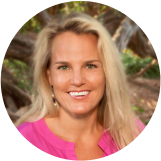
HIlary Stokes, Ph.D., LCSW is a licensed psychotherapist in California with more than 25 years of clinical experience, specializing in trauma therapy, PTSD treatment, anxiety, depression, and nervous system healing. She holds Master's degrees in Clinical Social Work and Kinesiology and Sports Psychology and a Ph.D. in Transpersonal Psychology with a specialization in Tibetan Buddhist Psychology. Dr. Stokes is extensively trained and certified in brainspotting, EMDR, somatic therapy and other mind body approaches. Her integrative work bridges neuroscience, mindfulness, and holistic psychology to help clients process unresolved trauma, rewire stress patterns, and build emotional resilience.
Dr. Stokes’ clinical approach is informed by advanced professional training and her own healing journey from complex trauma, which shaped her commitment to therapies that go beyond traditional talk therapy. She has worked in psychiatric hospitals, addiction and PTSD treatment centers, universities, integrative medical facilities, and private practice. As co-developer of the psychology and wellness programming at Sanoviv Medical Institute, she witnessed firsthand the power of integrating mind and body for lasting transformation. Today she helps individuals heal trauma, strengthen emotional regulation and reclaim purpose through brainspotting, EMDR, somatic therapy and mindfulness interventions.
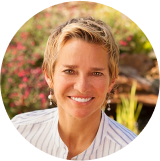
Kim Ward, Ph.D. holds both a masters and a doctorate in Transpersonal Psychology with a specialization in Tibetan Buddhist Psychology. She brings more than 25 years of experience in trauma recovery, Brainspotting and mind-body transformation. She is extensively trained and certified in Brainspotting, somatic therapy, and trauma-informed approaches. Dr. Ward integrates neuroscience, nervous system regulation and consciousness-based psychology to help individuals process unresolved trauma, shift limiting beliefs, and access greater emotional resilience. Her work focuses on healing at the root, beyond symptom management, through brain-body therapies that create lasting change.
As co-developer of the psychology and wellness programs at Sanoviv Medical Institute, Dr. Ward brings a uniquely holistic perspective to trauma therapy and personal growth. Her path from corporate leadership into psychology shaped her commitment to helping clients move beyond external success toward embodied fulfillment and emotional freedom. Dr. Ward's expertise combines Brainspotting, emotional intelligence, contemplative psychology and purpose-driven coaching. Drawing from both advanced academic training and lived experience navigating complex family mental health dynamics, she supports clients in transforming stress patterns, reclaiming vitality, and aligning with authentic purpose.
Phone/Fax: (619) 819-6841
Email: contact@authenticityassociates.com
Our office is located in Carlsbad, CA 92009
We also do nationwide sessions via Skype
and FaceTime.
We are offering a FREE 25 minute consultation
Coupon code: save50