Skip to main content Skip to footer


Enneagram Types
Idealist Strengths:
Idealist Challenges:
Enneagram Type 1 At Their Best
Idealists strive for perfection. They believe they know what is truly correct and right and maintain a high level of honesty and integrity. They are known to be self-disciplined, organized, responsible, capable and dependable. They will stand up for what they believe is right in the world and support causes they feel are just, ethical and moral.
Idealists not only hold themselves accountable to high standards but hold others accountable as well. Idealists are motivated to be right and to teach others the “right way”. Criticism is not welcomed by Idealists, yet positive feedback is necessary. They like to know that their hard work to do things right is valued. Idealists will often work long hours planning step-by-step procedures to produce quality results. They are meticulous, orderly, detailed, organized, neat, proper, disciplined and committed.
What’s Challenging About Being Enneagram Type 1
Idealists tend to feel a moral duty to point out perceived errors, mistakes and things out of place. They have been known to come across as inflexible, controlling and over idealistic in their efforts to keep things on track. They are also known for using “shoulds” when working with others. It is common for those close to them to feel judged and criticized by their regular tally of right and wrong. Idealists think they are just doing the right thing by pointing out what to them is clearly wrong. Idealists have a strong inner critic that assists them in making certain everything measures up to flawless expectations. In fear of making a mistake and dealing with their own inner critic, Idealists become very methodical, procrastinating, cautious and concerned with clear accountability.
-
What an Idealist Might Say?
-
What's the correct way to do this?
-
Is this an ethical decision?
-
Who is responsible for getting this done?
-
Is this the best it can be?
Personal Growth for Enneagram Type 1
Promoter Challenges
Enneagram Type 2 At Their Best
Promoters are natural socializers and have excellent people skills. They generally have lots of friends and close relationships, and they like people to like them. They give compliments easily and place a high priority on friendships. They have genuine motivations to help in the best way possible. Promoters are kind, considerate, warm, empathetic and they listen to others from the heart. They maintain a great capacity for helping people and are always available and ready to drop whatever they are doing and come to the aid of others.
Being generous and going out of their way for others makes Promoters feel that theirs is the richest and most meaningful way to live. They are most interested and motivated in what they feel to be the good things in life—love, closeness, sharing, family, and friendship. Promoters are often known as the “information pipeline” within social circles, families, communities and organizations as they view gathering information as an important role. They will go out of their way to listen to and comfort others in need.
What’s Challenging About Being Enneagram Type 2
Promoters often feel like they care more than others do. They learned early in their lives that they felt better about themselves when they were tending to the needs of others, rather than their own. They want to be needed and need to be loved. They go out of their way to be helpful but when they are in need others tend to fall short. With their innate desire to help often comes the challenge to avoid being pushy, possessive, overzealous and over-influential in people's lives. Promoters are challenged by feeling disrespected leading to feeling angry, unappreciated and treated unfairly. They have reported finding themselves more concerned with another person's feelings than their own. Their challenge then is to stay in touch with their own boundaries, own needs, own desires, agendas, goals, plans and feelings, while still being inclusive of others.
-
What A Promoter Might Say?
-
Can I help you?
-
How will this affect everyone?
-
Does this reflect the interests of what people need and want?
-
Is everyone feeling valued and cared for?
-
Do you need a hug?
Personal Growth for Enneagram Type 2
Enneagram Type 2 PROMOTER
Promoter Strengths

Performer Challenges
Enneagram Type 3 At Their Best
Performers are doers and have an inner drive towards achieving success. They are good at organizing projects and people. As well, they are good communicators and motivators of others. They tend to be strong goal setters and decision makers and are generally players rather than spectators. They are considered to be very practical decision makers focused on the bottom line.
Performers are motivated to win and be successful above all else. They give 110% effort to attain results. They have a natural sense of confidence and have been called the stars of the enneagram. They want to be liked and accepted by others, thus creating a positive image of themselves. They are one of the three heart types as part of their center of intelligence making relationships a core part their world. Of all 9 types, they believe most in themselves and in developing their talents and capabilities. They are confident, energetic, success oriented, optimistic and competitive.
What’s Challenging About Being Enneagram Type 3
Failure is the number one stressor for Performers. They will avoid failure at all costs. They are known for being overly competitive workaholics who are impatient with others slow pace. Their drive for success can lead to paying little attention to their own state of being or feelings. Their ability to take care of themselves emotionally along the way can often be put last on the continuum of importance.
Performers often find themselves needing to temper impatience with people who do not work at a fast “on the go” pace or who need time to speculate and discuss. They believe that feelings should be set aside until the job, task, or project gets done. In fact, performers desire to achieve can often appear machine-like and insensitive, as though people's feelings are being completely disregarded. Performers are challenged to avoid cutting the corners of ethics and quality, as their drive to meet objectives and get results can lead to pragmatic corner cutting.
-
What a Performer Might Say?
-
What's needed to meet this objective as quickly as possible?
-
What is the goal of this project?
-
How has this been done in the past?
-
I don't want to reinvent the wheel.
-
Ready! Fire! Aim!
-
Be the best that you can be.
Personal Growth for Enneagram Type 3
Emotional intelligence, authenticity
Enneagram Type 3 PERFORMER
Performer Strengths

Creator Challenges
Enneagram Type 4 At Their Best
Creators have good imaginations, notice details and appreciate beauty. They are highly introspective with a strong desire to understand themselves in relation to the world. They like to be unique and tend to dress and do things with flair and style. They have the ability to see hidden beauty in things, they seek new ways to express themselves and seek to understand their true authentic self. Creators are deep, soulful and passionate. They can make anything ordinary seem interesting.
Creators are motivated to appreciate themselves and to express their emotions. Of the nine personality types, type four is most aware of emotional pain and suffering in the world and in themselves. This makes them highly compassionate and empathetic. They enjoy creative endeavors and often see themselves as uniquely talented and possessing special one of a kind gifts. They love engaging in real conversations with emotional depth.
What’s Challenging About Being Enneagram Type 4
What a Creator Might Say?
Enneagram Type 4 CREATOR
Creator Strengths

Personal Growth for Enneagram Type 4
Thinker Challenges
Overly intellectual, disconnected, emotionally detached, prefer privacy, unavailable, unassertive
Enneagram Type 5 At Their Best
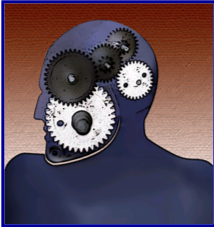
Thinkers are known to be analytical, logical, knowledgeable and insightful. They are highly independent and consider themselves to be very self-sufficient. They live in the world of their thoughts, value privacy and are emotionally reserved. They tend to observe and take in their surroundings rather than be at the center of the action. They are excellent systemizers of information and ideas. They easily impress others with their wealth of knowledge and wisdom. Reality for a Thinker is what is logical and measurable. They make clear decisions that are uninfluenced by their emotions.
They are motivated to know as much as possible. Reality for a Thinker is what is logical and measurable. They make clear decisions that are uninfluenced by their emotions. They will work hard for the rewards of privacy and the freedom to pursue their own personal interests.
What’s Challenging About Being Enneagram Type 5
They tend to be reluctant joiners who are not at ease in social situations preferring to observe rather than participate. Thinkers analytical and rational style of thinking may come across to others as disinterested or detached. Dealing with others emotions and feelings is not a preferred interaction by Thinkers, who like to keep everything related to thought and logic. Thinkers find it challenging to value ideas that aren't backed by solid facts, theory, research and analysis. Others can find them intellectually arrogant, emotionally withdrawn, unavailable and in their head. They live in a world of their thoughts and need a distraction free space in order to focus. Busy crowded environments tend to cause anxiety and tension leading to further withdraw and shutdown.
They will tend to avoid the emptiness and insecurity that comes with their perception of ignorance. They do not want to appear unintelligent. Thinkers have a sense of limited energy reserves, thereby wanting to maintain time and energy for their own agendas.
What a Thinker Might Say?
Enneagram Type 5 THINKER
Thinker Strengths
Wise, rational, analytical, thoughtful, self-starters, masters of information, respectful, privately passionate about ideas and concepts, perceptive
Personal Growth for Enneagram Type 5
Engagement, participation, emotional connection
Loyalist Challenges
Distrusting, suspicious, self-doubting, fearful, complaining, pessimistic, constant questioning
Enneagram Type 6 At Their Best
Phobic versus counter-phobic
What’s Challenging About Being Enneagram Type 6
What a Loyalist Might Say?
Enneagram Type 6 LOYALIST
Loyalist Strengths
Dutiful, warm, trustworthy, respectful, prepared, collaborative, loyal, truthful, traditional, interactive, committed, team player, clever, funny, self-sacrificing, collaborative, relatable
Personal Growth for Enneagram Type 6
Having trust in self and others, seek inner guidance
Enneagram Type 7 At Their Best
Continually on the lookout for fun and enjoyment, Optimists like to experience new things and new adventure. They usually have lots of friends and relationships and are good socializers. They like to be in constant motion and dislike being bored. They are generally enthusiastic ‘up' people who are good at seeing the possibilities in life. Others see them as fun, charming, spontaneous, outgoing and adventurous. Type sevens are the life of the party and make anything they do a joyful. They are considered to be a fun loving type that gets along with other types.
They can be influential and persuasive in order to get support from others and they do this through their enthusiasm, storytelling and emphasis on the possibilities of a given situation. As a result of their positive personalities, they are reported to be delightful to be around. Optimists have a strong inner sense of capability and high self-worth.
What’s Challenging About Being Enneagram Type 7
What an Optimist Might Say?
Personal Growth for Enneagram Type 7
Committing to just one course of action and seeing it through
Enneagram Type 7 OPTIMIST
Optimist Strengths
Optimistic, enthusiastic, motivating, confident, effective planners, futuristic, spontaneous, out-going, funny, synthesizers, innovative
Optimist Challenges
Asserter Challenges
Enneagram Type 8 At Their Best
Asserters tend to be self-determined and independent. They prefer to give rather than take orders, and whenever possible will take the lead. They tend to make quick “gut” decisions, and tell it the way they see it, often being direct and blunt. They are one of the three body types as part of their center of intelligence making action a core part their world. They can be highly confrontative and will fight for what they believe. They push themselves hard, are strong, formidable negotiators, and love to overcome challenges. They respect strength in others and are usually at ease in tough situations.
They need to be self-sufficient, so they can rely on their own resources rather than depend on other people. Challenging issues energize Asserters and will allow gut feelings to play an important role in making decisions. They like to be in control and calling the shots. Asserters have no hidden agenda and are reported to express their anger directly. In return they do not hold a grudge if anger is expressed back to them. They respect when others are up front and put it all on the table. It is not necessary to agree with their opinions, but you must make your views known. This constant reportage is critical to building trust with Asserters. Bad news can be handled, but no news creates distrust.
What’s Challenging About Being Enneagram Type 8
What an Asserter Might Say?
Personal Growth for Enneagram Type 8
Implementing the appropriate use of power, cultivate sensitivity and vulnerability
Enneagram Type 8 ASSERTER
Asserter Strengths
Confident, outgoing, action-oriented, direct, leader, strong minded, high-energy, powerful, enforcers of justice, persuasive, responsible

Enneagram Type 9 At Their Best
Mediators are masters at diplomatic communication and creating harmony of opinion in the work environment. Their holistic style of thinking enables them to unify different parts of a whole and reduce the differences among people. Mediators are undemanding, cheerful, easy-going, gentle, and peaceful. They have a soothing and calming effect on others. Their ability to be open-minded and receptive to new ideas lends towards their ability to see all sides of a situation of almost any issue.
The Mediator is motivated to live in unity with others. They maintain a strong drive to maintain peace by keeping problems at a distance and letting others develop in their own ways. Recognition motivates a type nine to put effort into their work and experience a sense of satisfaction. People close to them feel genuinely accepted and understood. They tend to find others open up to them and share their personal struggles. Their nonjudgmental attitude makes them the perfect person to talk to. Peacemaker nines are genuine, down to earth and highly diplomatic.
What’s Challenging About Being Enneagram Type 9
Mediators tend to be too accommodating, appeasing and acquiescing to others. Their own opinions are often the last ones considered as they will easily put another's needs first to avoid potential conflict. They often feel invisible and try to go by unseen to avoid possible differences.
A Mediator's tendency to avoid confrontation and therefore accept circumstances as they are, makes it difficult for them to take their own personal stand on issues.
People in a close relationship with a Mediator don't always feel authentically supported because they don't tend to know how a Mediator truly feels. This is a common complaint in intimate relationships. On the flip side because Meditators avoid sharing their opinions, they may have a stack of unmet needs built up inside that become too high to hold. They tend to harbor resentments, dissatisfaction, passive aggressiveness and bitterness underneath their accepting exterior. They can let distractions and unessential details get in the way of completing goals and tasks given they struggle with prioritizing and indecision.
What a Mediator Might Say?
Personal Growth for Enneagram Type 9
Enneagram Type 9 MEDIATOR
Mediator Strengths
Harmonizing, generous, available, humble, open-minded, non-judgmental, receptive, empowering, peaceful, warm, flexible, unifying, diplomatic, patient, persevering
Mediator Challenges
Indecisive, too accommodating, stubborn, avoids conflict

Enneagram Type 9 At Their Best
Mediators are masters at diplomatic communication and creating harmony of opinion in the work environment. Their holistic style of thinking enables them to unify different parts of a whole and reduce the differences among people. Mediators are undemanding, cheerful, easy-going, gentle, and peaceful. They have a soothing and calming effect on others. Their ability to be open-minded and receptive to new ideas lends towards their ability to see all sides of a situation of almost any issue.
The Mediator is motivated to live in unity with others. They maintain a strong drive to maintain peace by keeping problems at a distance and letting others develop in their own ways. Recognition motivates a type nine to put effort into their work and experience a sense of satisfaction. People close to them feel genuinely accepted and understood. They tend to find others open up to them and share their personal struggles. Their nonjudgmental attitude makes them the perfect person to talk to. Peacemaker nines are genuine, down to earth and highly diplomatic.
What’s Challenging About Being Enneagram Type 9
Mediators tend to be too accommodating, appeasing and acquiescing to others. Their own opinions are often the last ones considered as they will easily put another's needs first to avoid potential conflict. They often feel invisible and try to go by unseen to avoid possible differences.
A Mediator's tendency to avoid confrontation and therefore accept circumstances as they are, makes it difficult for them to take their own personal stand on issues.
People in a close relationship with a Mediator don't always feel authentically supported because they don't tend to know how a Mediator truly feels. This is a common complaint in intimate relationships. On the flip side because Meditators avoid sharing their opinions, they may have a stack of unmet needs built up inside that become too high to hold. They tend to harbor resentments, dissatisfaction, passive aggressiveness and bitterness underneath their accepting exterior. They can let distractions and unessential details get in the way of completing goals and tasks given they struggle with prioritizing and indecision.
What a Mediator Might Say?
Let's just solve the problem and create peace again. What's the point of arguing? It feels good to be united. Learn to live with it. Don't rock the boat. Don't argue. Just don't do it. Live and let live.
Personal Growth for Enneagram Type 9
Stand up, engage, assert opinions openly
Three Centers of Intelligence
In addition to exploring the nine enneagram types with detailed descriptions above, the enneagram divides types into triads based on three centers of intelligence. The centers of intelligence represent how each of the nine types respond to stress and enacts their instinctual survival response to cope. The head centered enneagram types includes types 5, 6 and 7 where fear and anxiety are the primary emotional responses and preparation and planning are the actions to create security and safety. The body center includes types 8, 9, and 1 where anger is the primary emotional response and action is taken to maintain personal agency and autonomy. The heart center includes types 2, 3 and 4 where grief and shame are the primary emotions and maintaining relationships is the path to feel connected and safe.
The Enneagram has been one of the most influential tools we have come across in our personal and professional lives. There is not a day that goes by since learning about the Enneagram that we don't think of it in some way to help us better understand ourselves and others. In addition to our love for the Enneagram, we have found Brainspotting therapy, meditation and somatic practices to be remarkable tools for transformation and healing. We incorporate a combination of these methods in our personal and professional journey's.