...
Click for 50% off Meditation Courses
Call Us: 619-819-6841Request an Appointment
Call Us: 619-819-6841
Brainspotting Therapy
Ready to Feel Better?
We offer a FREE 15-minute session to see how we can help.


    Brainspotting Therapy for Trauma: How Brain Body Therapy Heals the Nervous System

    Trauma can leave lasting imprints on the brain and body, affecting how individuals respond to stress, regulate emotions and experience connection. This often happens outside of conscious awareness, trauma can alter how the nervous system functions, influencing, emotional regulation, physiological responses, and relational patterns overtime. For many people these effects persist even when they understand what happened and why.

    Individuals often seek trauma therapy when they experience:

    • Heighten activity or emotional numbing

    • A sense of disconnection from the body or internal experience

    • Repeated patterns that inside alone has not shifted

    • Fatigue from managing symptoms rather than resolving them

    Trauma does not require specific diagnosis to warrant care. Brainspotting therapy offers a neural biologically informed, trauma-focused approach that works directly with the brain and body to support healing.

    Learn how we can help you on your path of healing
    Request a Free 15 min Consultation

    What is Trauma?

    Trauma isn’t defined by how bad something looks from the outside. It is defined by how your nervous system experienced it. Trauma can affect all areas of life, including mode, relationships, and a sense of self. Trauma can include a wide range of situations, such as serious injury, sexual violence, chronic abuse, and neglect. Around 70% of adults in the United States have experienced at least one trauma. Trauma can lead to numerous mental health problems, such as anxiety, self harm, substance, abuse, and PTSD. Trauma can manifest and diverse weights, significantly impacting survivors cognitive, emotional, and physical functioning. Not everyone who experiences trauma will develop blasting negative effects, but some may develop PTSD. Traumatic and sensitize a persons nervous system, leading to heighten responses to certain stimuli. Trauma can be categorized into big tea, trauma, which includes significant events, and small tea trauma, which includes more personal distressing experiences.

    Big-T and small-t Trauma

    • Big -T trauma often includes events like accidents, assaults medical emergencies, violence, or natural disasters
    • Small -t trauma can involve chronic stress, emotional neglect, relationship rupture, childhood instability, or experiences where your needs weren’t met overtime.

    Both can shape how your brain and body respond to the world.

    Trauma can be:

    • Childhood or developmental
    • Relational or attachment based
    • Medical or birth related
    • Accumulative or ongoing (burnout, chronic stress)

    You can have trauma, even if you function well, succeed, professionally, or seem just fine. Trauma without a diagnosis is still valid and still treatable.

    A woman sits on a couch, leaning forward with her hands clasped, while another woman sits across from her, appearing to listen and take notes in a well-lit room.

    How Trauma Lives in the Body

    Trauma isn’t only stored as a story you can tell. It is often stored as patterns in the nervous system.

    Nervous System Imprinting

    When something overwhelming happens, the body shifts into survival mode, fight flight, freeze appease, or collapse. If the experience isn’t fully processed, the nervous system may continue reacting as if the threat is still present.

    This can show up as:

    • Chronic tension or pain
    • Anxiety, emotional numbing
    • Hypervigilance are shut down
    • Difficulty resting ,trusting or feeling safe
    • Implicit memory (one words aren’t enough)

    Much trauma is stored as implicit memory, sensations emotions, reflexes, rather than clear, narrative memory. That is why insight alone often does not resolve it.

    In other words, you may understand what happened, but your body still reacts.

    Trauma Informed Care

    Trauma informed care operates on the assumption that every individual seeking services may be a trauma survivor. Trauma informed therapy shifts of focus from, "what's wrong with you" to "what happened to you?" Trauma informed therapy emphasizes, creating a safe and supportive environment for patients, addressing their individual experiences and needs. Trauma informed therapy aims to empower individuals with the skills and understanding necessary for long-term healing and resilience. Trauma informed care is based on key principles such as safety, trusts, choice, collaboration, and empowerment. Trauma informed care acknowledges that public institutions and service systems meant to offer support sometimes to be trauma inducing.

    Two women sit together in a living room, looking at an open book on a small wooden table between them, engaged in conversation.

    Therapy Techniques for Trauma Therapy

    Trauma therapy can help clients regain a sense of control and empowerment in their lives. Evidence space therapy for trauma, primarily focuses on helping the brain and body process distressing memories that it becomes stuck. Trauma therapy can help clients develop healthy coping mechanisms and learn to express their emotions in a healthy way. Effective trauma therapy like EMDR, brain, spotting, and somatic approaches, helped by reprocessing, distressing memories, correcting distorted, beliefs, and regulating the nervous system.

    Somatic Therapy

    Somatic therapy can apply to understand and release, intense emotions, improving mental health, and relieving chronic pain. Somatic therapy, such as somatic experiencing and sensory motor psychotherapy are body focus therapies that address how trauma is physically stored in the nervous system.

    EMDR Therapy

    Eye movement, desensitization, and re-processing (EMDR) is a trauma therapy developed by psychologist Dr. Francine Shapiro in 1987. EMDR works with bilateral brain stimulation such as tapping auditory sounds or eye movements to help process and release unresolved trauma.

    Learn how we can help you on your path of healing
    Request a Free 15 min Consultation

    Success Stories

    Laura Reeves

    Dr. Hilary is an amazing therapist and working with her has been transformative. She's empathetic, intuitive, a great listener and really smart. This combination, along with her skilled use of brainspotting, has helped me become clearer, move through challenging circumstances from my past and open up my future. I'd highly recommend her to anyone seeking a commpassionate and supportive therapist.

    Ali Gould

    I have worked with Dr. Hilary for a few years and could not have had a better experience. Dr. Hilary is one of the most kind, compassionate, understanding, and insightful individuals I have had the pleasure of getting to know. She is incredibly knowledgeable about a plethora of therapeutic techniques and exercises. Over the years, I have grown immensely with the help of Dr. Hilary.

    Linda Mantel

    I began working with Dr. Kim Ward while I was in deep grief after my husband's passing. She walked me through the darkness with her kindness, compassion and professional skills and I've continued to work with her for several years. In addition to talk therapy, brainspotting has been amazingly helpful in unlocking emotions and beliefs I wasn't aware of. Working with Dr. Ward has been life-changing! She continues to be a wonderful gift in my life.

    see more reviews
    A person sits on a wooden bench outdoors with eyes closed, smiling softly, and resting one hand on their chest. Greenery and sunlight are visible in the background.

    Why Brainspotting is Effective for Trauma

    Brainspotting is a brain body therapy that works with the parts of the nervous system where trauma is stored, without requiring you to relive or explain everything.

    Somatic Processing

    Brainspotting uses opposition to help access subcortical areas of the brain connected to emotional and physical activation. This allows processing to happen through sensations and awareness not just words.

    Brainspotting works when memories are fuzzy, inaccessible or nonverbal. You don’t need a clear memory or detailed story for brains spotting to work.

    Brainspotting works with:

    • Vague memories
    • Body sensations
    • Images, impulses, or something feels off type of experience
    • Regulation based healing

    Rather than push, pushing for catharsis, brain, spotting, prioritize, safety, pacing, and regulation. This makes it especially supportive for people who feel overwhelmed easily or shut down when talking about the past.

    What a Brainspotting Session Looks Like

    Brainspotting sessions are collaborative and led by the client.

    During a Session

    A session may include

    • Identifying your brain spot linked to somatic or body activation
    • Gently tracking body sensations or emotions
    • Using grounding and servicing as needed
    • Moving at your own pace, with choice and consent through throughout

    After session integration

    Some people feel calm right away others notice shifts overtime, emotionally, physically, or relationally. Fatigue or emotionally can be normal and we can help you plan for gentle integration.

    Who Benefit from Brainspotting for Trauma?

    Brain can be helpful for people working with:

    • Developmental trauma

    • Attachment wounds and relationship

    • Medical or trauma

    • Burn out or stress

    • PTSD

    Brainspotting Versus Other Trauma Therapies

    Chart comparing Brainspotting, EMDR, Somatic Experiencing, and Cognitive Trauma Therapy by primary focus and typical experience.

    Do You Need a PTSD Diagnosis?
    No

    Many people heal trauma without ever meeting criteria for PTSD.

    • Trauma is common

    • PTSD is a specific diagnosis that develops in some but not all cases.

    • Therapy can meet you where you are, without labeling your experience

    Ready to Begin Trauma-Focused Brainspotting
    Schedule a free consultation to explore brainspotting for trauma

    FAQ's

    About the Authors

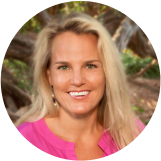
    headshot of Dr. Hilary Stokes, licensed psychotherapist

    Hilary Stokes Phd

    HIlary Stokes, Ph.D., LCSW is a licensed psychotherapist in California with more than 25 years of clinical experience, specializing in trauma therapy, PTSD treatment, anxiety, depression, and nervous system healing. She holds Master's degrees in Clinical Social Work and Kinesiology and Sports Psychology and a Ph.D. in Transpersonal Psychology with a specialization in Tibetan Buddhist Psychology. Dr. Stokes is extensively trained and certified in brainspotting, EMDR, somatic therapy and other mind body approaches. Her integrative work bridges neuroscience, mindfulness, and holistic psychology to help clients process unresolved trauma, rewire stress patterns, and build emotional resilience.

    read more
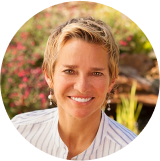
    headshot of Dr. Kim Ward, certified trauma-informed coach and life coach

    Kim Ward Phd

    Kim Ward, Ph.D. holds both a masters and a doctorate in Transpersonal Psychology with a specialization in Tibetan Buddhist Psychology. She brings more than 25 years of experience in trauma recovery, Brainspotting and mind-body transformation. She is extensively trained and certified in Brainspotting, somatic therapy, and trauma-informed approaches. Dr. Ward integrates neuroscience, nervous system regulation and consciousness-based psychology to help individuals process unresolved trauma, shift limiting beliefs, and access greater emotional resilience. Her work focuses on healing at the root, beyond symptom management, through brain-body therapies that create lasting change.

    read more
    Learn how we can help you on your path of healing
    Request a Free 15 min Consultation
    Contact us
    Anxiety EMDR Therapy

      Phone/Fax: (619) 819-6841

      Email: contact@authenticityassociates.com

      Our office is located in Carlsbad, CA 92009
      We also do nationwide sessions via Skype
and FaceTime.

      We are offering a FREE 25 minute consultation

        Coupon code: save50